Login with Google
 Login with Facebook
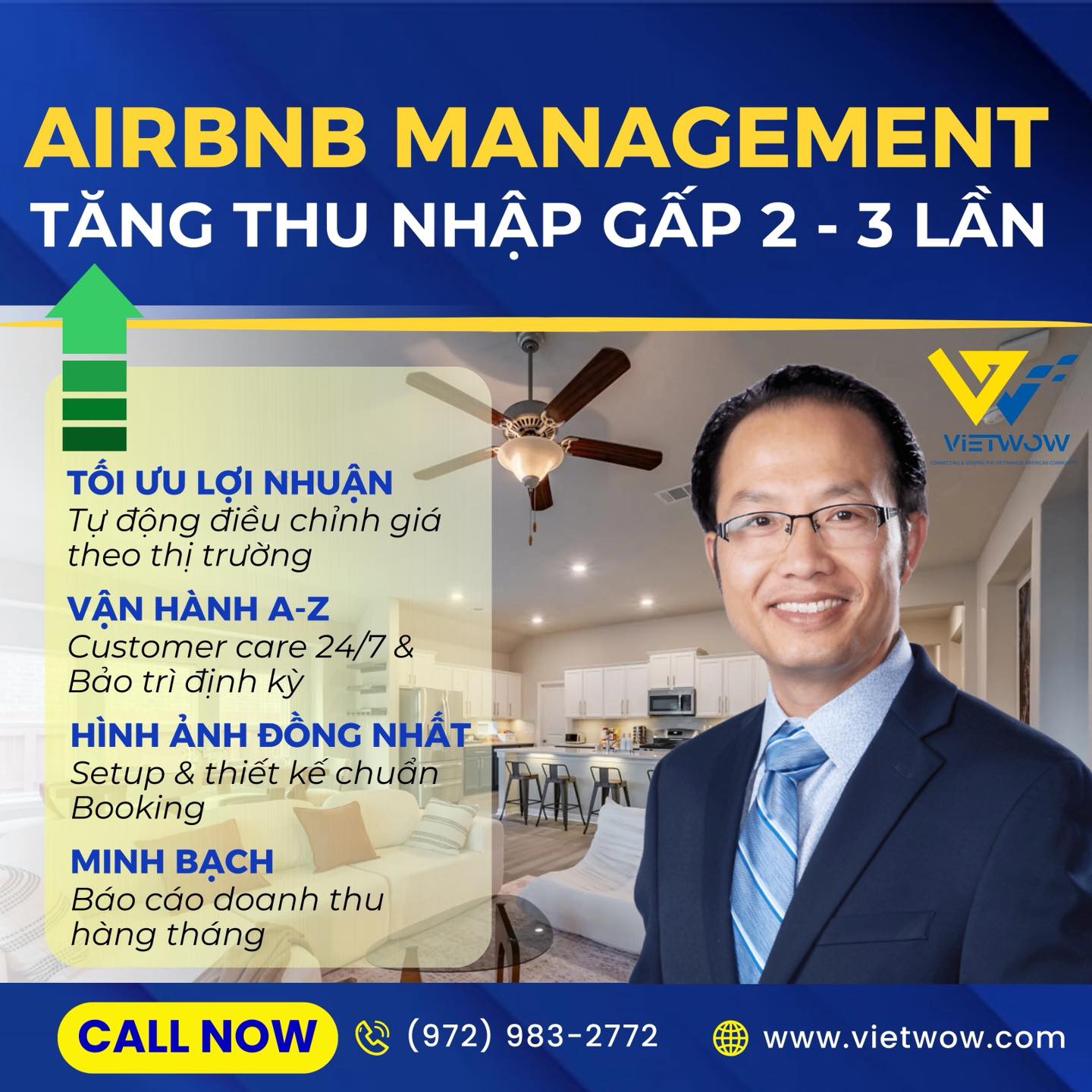
Airbnb originally appealed to property owners because it felt flexible, personal, and relatively easy to manage. Many hosts entered the short-term rental market believing that a good location and a clean space were enough to generate steady income. For a period of time, that assumption held true.
As the market matured, however, the reality of Airbnb ownership began to change. More listings entered the same neighborhoods, guest expectations increased, and pricing became far more sensitive to timing, seasonality, and competition. What once felt like a side project gradually turned into a daily operational responsibility.
Today, successful Airbnb performance is no longer driven by effort alone. It is driven by structure. Properties that perform consistently are managed as systems, not as casual rentals. Revenue protection, operational consistency, and guest experience are treated as interconnected parts of a single business model. This is why automated Airbnb management has shifted from being an optional upgrade to a strategic necessity.
When Hosting Becomes An Operational Responsibility, Not A Casual Activity
Most property owners begin by managing their Airbnb independently. They handle photography, write their own listing descriptions, respond to guest inquiries, adjust pricing manually, and coordinate cleaning schedules between stays. In the early stages, this hands-on approach can feel manageable and even rewarding.
The challenge emerges as booking volume increases and market conditions evolve. Manual pricing struggles to keep pace with daily demand shifts. Response times slow when messages arrive outside of personal schedules. Cleaning quality becomes inconsistent when coordination relies on availability rather than process. Each small gap introduces friction into the guest experience.
These issues rarely appear all at once. They accumulate gradually. A delayed response leads to a missed booking. A pricing miscalculation results in unnecessary vacancy. A rushed turnover affects cleanliness and guest perception. Over time, these inefficiencies reduce occupancy stability, weaken performance signals, and limit revenue potential.
At this stage, Airbnb hosting is no longer about effort. It is about operational control. Without a structured system in place, even well-located properties begin to underperform compared to professionally managed listings operating in the same market.
Automated Airbnb Management As A Revenue Control System
Managing an Airbnb goes far beyond hospitality or guest communication. At its core, it is a revenue control problem. Every decision related to pricing, availability, and response time directly affects how often a property is booked and how much it earns over time.
When pricing is set manually or adjusted sporadically, revenue becomes inconsistent. A single night left vacant because the price was misaligned with demand represents income that cannot be recovered later. Unlike long-term rentals, short-term rental revenue depends on daily precision rather than monthly averages.
Automated Airbnb management addresses this challenge by treating the property as a living revenue system. Real-time market signals, booking pace, seasonality, and demand patterns are continuously evaluated to keep pricing competitive without eroding value. This approach removes emotional decision-making and replaces it with consistency and control.
Dynamic Pricing As The Engine Behind Sustainable Performance
One of the most common operational mistakes in short-term rental management is relying on fixed pricing. Travel demand does not move in static cycles. It shifts daily based on booking behavior, inventory levels, and timing sensitivity. Properties that fail to adjust quickly are often priced incorrectly for the market they are competing in.
Dynamic pricing allows nightly rates to respond to actual demand instead of assumptions. During slower periods, pricing adjusts to protect occupancy and visibility. When demand increases, rates rise in alignment with market willingness to pay, capturing higher revenue without reducing booking momentum.
Over time, this balance produces stronger annual performance. Occupancy becomes more stable, revenue fluctuations are reduced, and pricing decisions are guided by data rather than guesswork. Guest satisfaction remains intact because pricing aligns naturally with market expectations.
Professional Setup As The Starting Point For Consistent Results
A high-performing Airbnb does not begin with automation alone. It begins with a professional setup that establishes trust before a guest ever completes a booking. Listing presentation, photography quality, description clarity, house rules, and check-in instructions all shape the guest’s perception in the decision-making stage.
When these elements are inconsistent or unclear, even well-priced properties struggle to convert views into bookings. Automated management ensures that the foundation is structured correctly from the start. Each component of the listing is aligned to communicate reliability, transparency, and professionalism.
This eliminates the trial-and-error phase that often damages early performance. Instead of reacting to negative feedback or declining bookings, the property enters the market with a clear operational framework designed to support long-term reviews, repeat stays, and stable revenue growth.
24/7 Operational Coverage Without Consuming Owner Time
Airbnb guests do not interact with a property on a fixed schedule. Bookings, questions, and service requests arrive late at night, early in the morning, and across different time zones. In this environment, response speed directly influences booking decisions and guest confidence.
When communication depends on an owner’s personal availability, delays become unavoidable. A missed message can mean a lost reservation. An unanswered question can create uncertainty that pushes a guest toward another listing. Over time, inconsistent responsiveness weakens both conversion and perceived reliability.
Automated operational support removes this dependency. Guest inquiries, access questions, and routine requests are handled continuously through structured communication workflows. Property owners gain the freedom to step away from constant monitoring while maintaining the level of responsiveness expected from professionally managed short-term rentals.
Consistent Cleaning And Maintenance As A Form Of Asset Protection
Cleanliness and property condition remain two of the strongest drivers behind guest reviews and repeat bookings. Even well-located listings struggle to perform when cleaning standards vary or maintenance issues are addressed reactively instead of systematically.
Automated Airbnb management introduces consistency into these critical areas. Cleaning schedules are coordinated around actual checkout activity. Quality checks follow predefined standards rather than individual availability. Maintenance tasks are logged and addressed before small issues become costly repairs.
This consistency protects more than ratings. It preserves furnishings, appliances, and interior finishes over time. By reducing wear caused by delayed maintenance or rushed turnovers, owners protect the long-term value of the property while keeping operating costs predictable.
Structured Issue Resolution To Reduce Risk And Guest Friction
No short-term rental operates without occasional issues. What separates underperforming listings from stable ones is not the absence of problems, but the way they are managed. Unstructured responses often lead to confusion, delayed resolutions, and guest frustration.
Automated management systems rely on predefined resolution workflows that activate as soon as an issue is reported. Clear escalation paths, response expectations, and follow-up processes ensure problems are addressed efficiently and consistently.
This structured approach minimizes guest disruption and limits the risk of negative reviews affecting future bookings. More importantly, it creates operational predictability for owners, reducing uncertainty and exposure as the property continues to operate at scale.
Transparent Monthly Reporting As A Tool For Financial Control
One of the most underestimated advantages of automated Airbnb management is financial clarity. Without structured reporting, many property owners rely on bank deposits or platform summaries to gauge performance, which often hides inefficiencies and missed opportunities.
Detailed monthly reporting changes that dynamic. Revenue, operating expenses, occupancy behavior, and performance trends are presented in a way that reflects how the property is actually functioning as a short-term rental business. Patterns become visible. Weak months can be explained. Strong months can be analyzed and repeated.
This level of transparency allows owners to make decisions based on facts rather than assumptions. Adjustments to pricing strategy, operational spending, or future investment planning become deliberate choices instead of reactive responses.
Scaling From A Single Airbnb To A Repeatable Operating Model
Many hosts successfully operate one Airbnb but hesitate to expand further. The limitation is rarely capital or opportunity. It is operational complexity. Managing communication, pricing, cleaning, and maintenance across multiple properties quickly becomes overwhelming when systems are not in place.
Automated Airbnb management removes this constraint by creating a repeatable operating structure. Each additional property follows the same workflows, reporting standards, and performance benchmarks. Growth no longer depends on additional personal time, but on system capacity.
This shift allows Airbnb ownership to evolve from a side income into a structured investment approach. Performance becomes more predictable, risks are easier to manage, and expansion decisions are grounded in operational reality.
A Long-Term Business Perspective On Airbnb Management
VietWow approaches Airbnb management with the understanding that short-term rentals are long-term assets. The objective is not to maximize occupancy for a few strong months, but to build stability that holds up across market cycles.
This perspective prioritizes sustainable revenue, operational consistency, and guest experience alignment. Decisions are evaluated based on how they impact performance over time, not just immediate booking volume.
For Vietnamese property owners in the U.S. who prefer professional oversight without daily involvement, this approach provides both control and peace of mind. The property operates as a business, even when the owner is not directly managing day-to-day activity.
Recognizing When A Property Has Outgrown Manual Management
There is a clear moment when managing an Airbnb begins to feel unpredictable rather than flexible. Time demands increase. Revenue fluctuates without obvious reasons. Operational issues consume attention that could be spent elsewhere.
Transitioning to automated management is not a loss of control. It is a shift toward structured oversight. Owners gain clearer visibility into performance, stronger operational consistency, and a framework designed to support long-term growth.
At this stage, the property is no longer treated as a personal project. It becomes a professionally managed asset built to perform reliably over time.
Contact VietWow
- Website: www.vietwow.com
- Email: info@vietwow.com
- Nationwide Hotline: (972) 983-2772
- Head Office: 2625 W Pioneer Pkwy, Ste. 802, Grand Prairie, TX, 75051